

CGI film
Start from CAD and references.
A film can be produced while samples are still being made, if CAD files or reliable references are available.
Live action
Needs the finished product.
Service 02
Product films built in 3D, showing how it looks and how it works.
Product reveals·Feature explainers·Campaign films·Social cuts
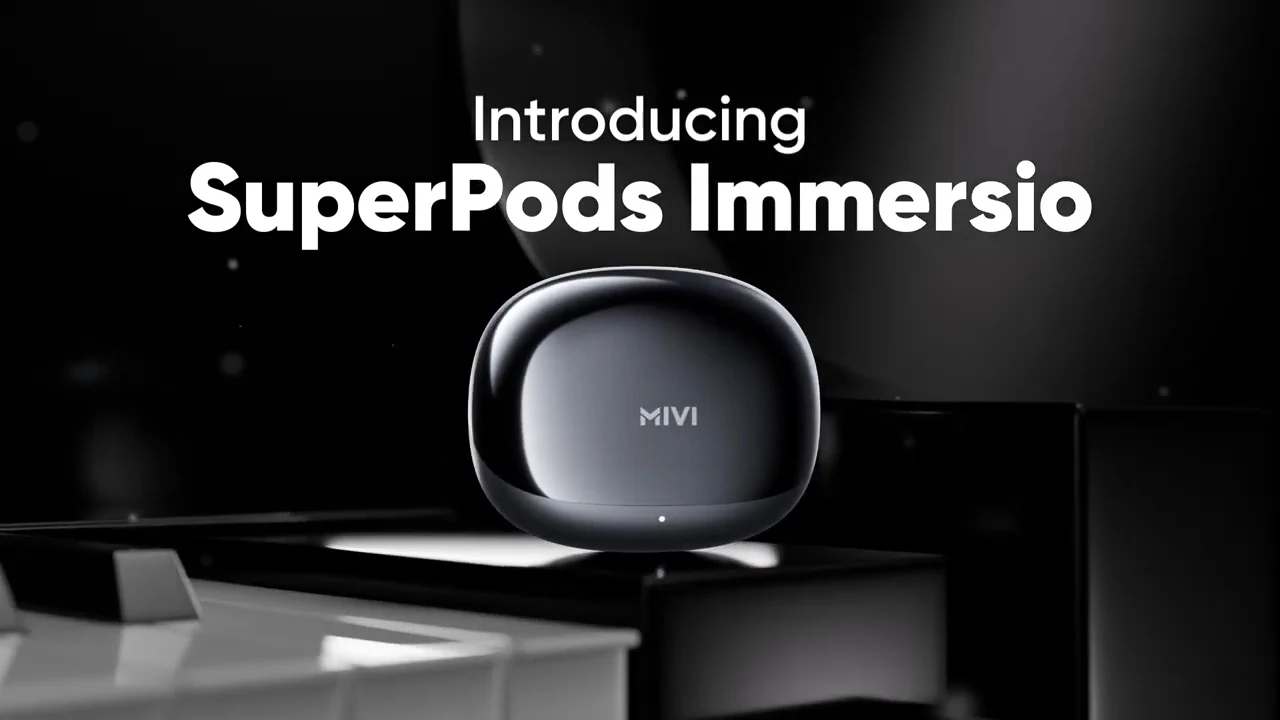
Film: oven reveal, Smapit CGI study
Brands we have made work for















Drag or use left and right arrow keys to explore selected brand logos. Space pauses the animation.
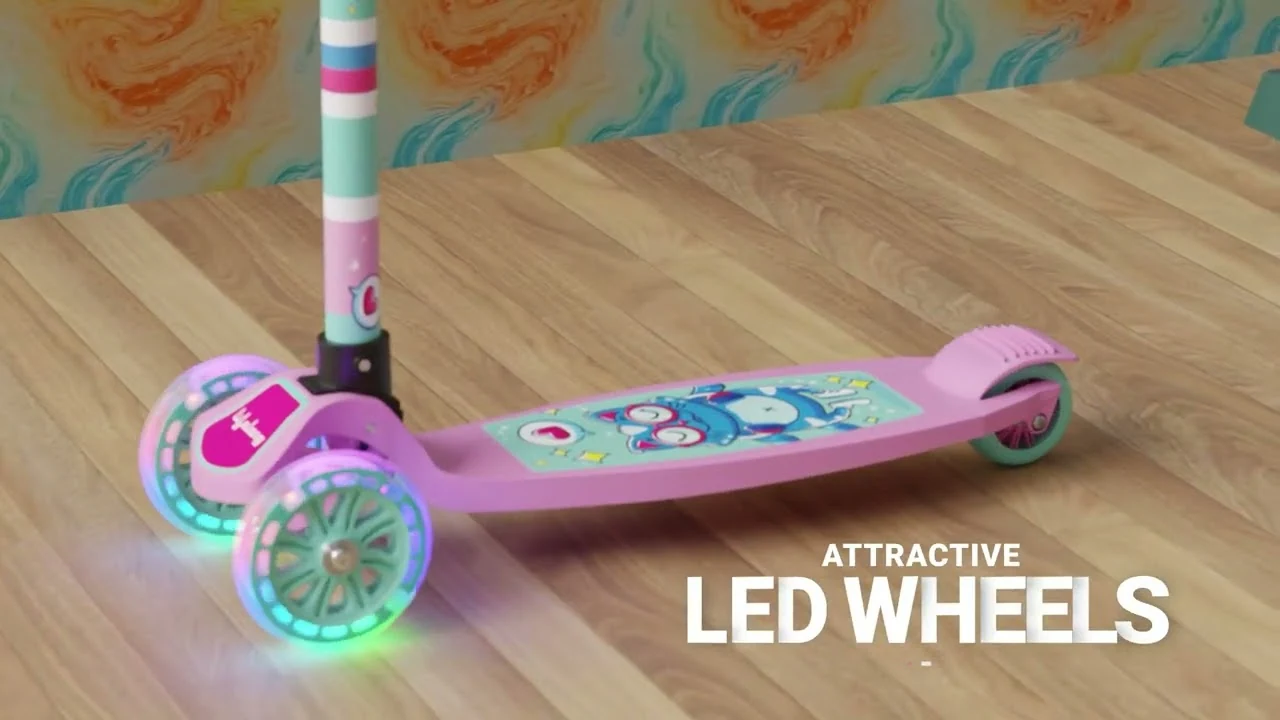
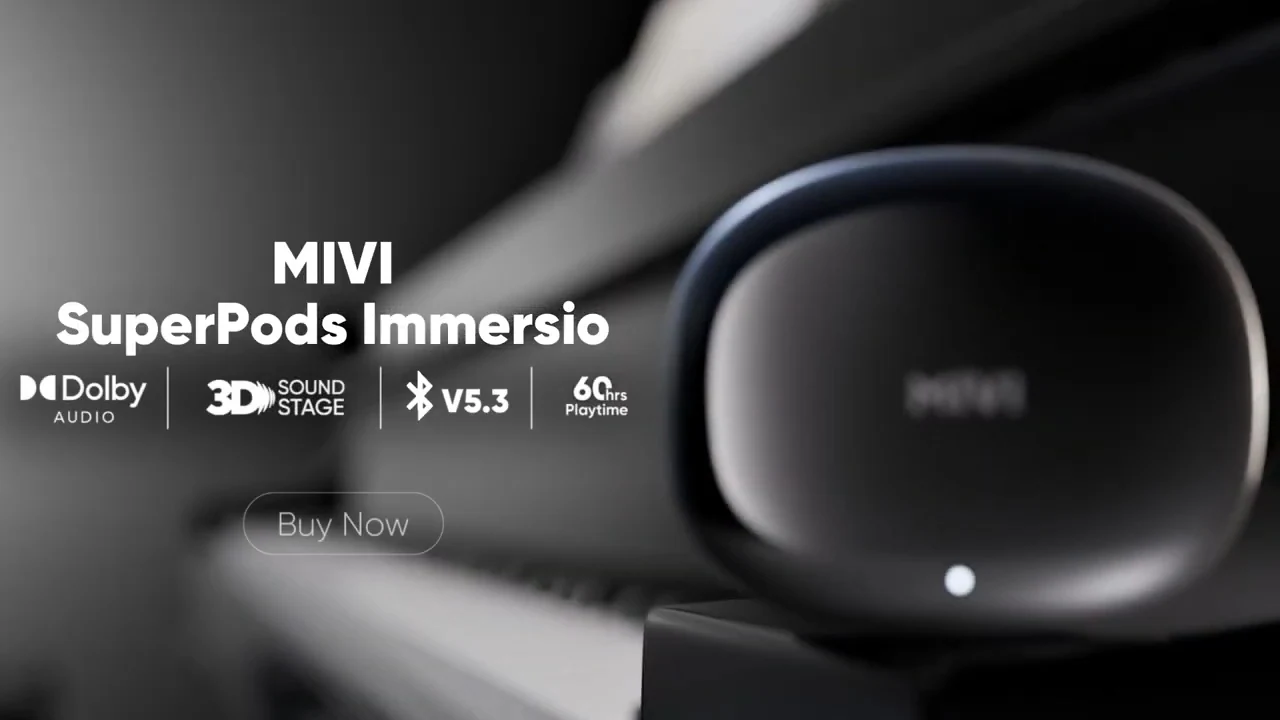
Frames and short loops from Smapit’s product films. Open a film frame to watch the full film.
20 films
Have a product in mind?
Start a projectFilms planned around one question: what does the audience need to see?

When a 3D product film fits better than a camera shoot, and when it does not.
Start from CAD and references.
A film can be produced while samples are still being made, if CAD files or reliable references are available.
Needs the finished product.
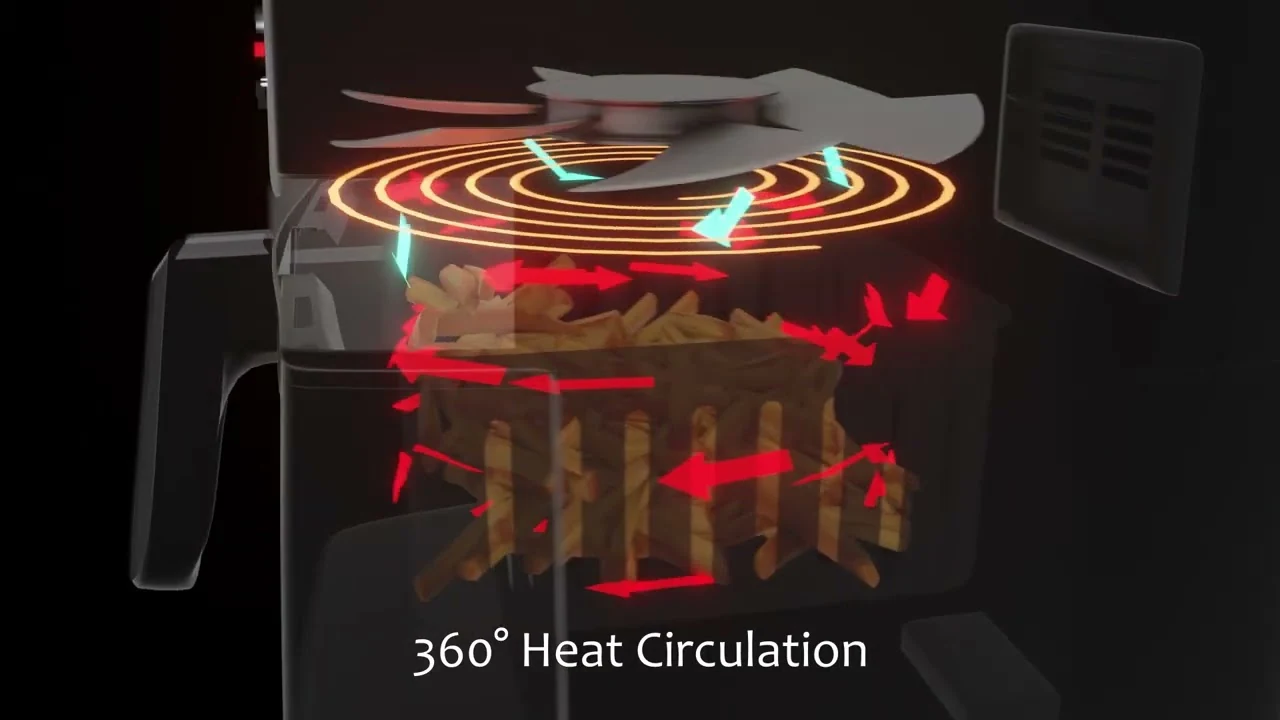
Cutaways and internal views.
Internal parts, airflow, light or mechanisms can be shown clearly in 3D.
Only what the camera sees.
Any move, any scale.
The camera can travel through, around or inside the product without physical limits.
Limited by rigs and location.
Animate and render again.
A color, packaging or timing change is made on the 3D scene and the shots are rendered again.
Often a reshoot.
Framed for each channel.
Landscape, vertical and square versions can be composed from the same scene.
Planned on set or cropped later.
Combined with AI or live action.
For real people and real locations, live action often fits better. We can combine both.
The natural choice.
A general comparison. For a film about people or a place, live action is often the better route. The right choice depends on the story.
Discuss your projectFour stages, with your team reviewing at each one. Studies shown are from different projects.
Agree the story, references and shot plan before production begins.
The product, materials and scenes the film needs, modeled in 3D.
Camera movement, product motion and pacing, reviewed as a story.
Lighting, render and edit, delivered in the agreed versions.
01
Agree the story, references and shot plan before production begins.
02
The product, materials and scenes the film needs, modeled in 3D.
03
Camera movement, product motion and pacing, reviewed as a story.
04
Lighting, render and edit, delivered in the agreed versions.
[ SM ‒ INDUSTRIES ]
Six categories we build for, each with its own page.
All industries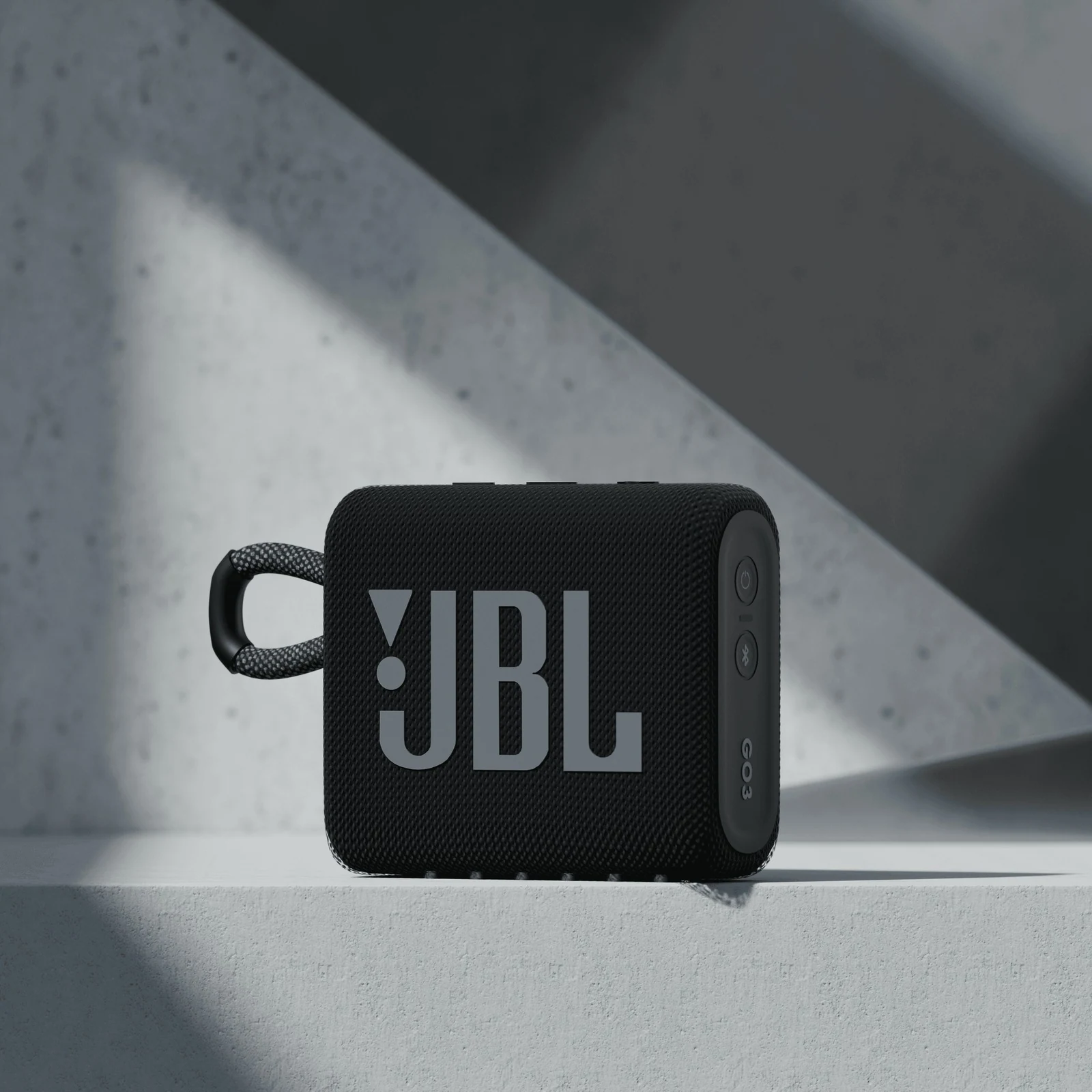 001.Consumer electronicsReveal the form and finish, show how a feature works, and carry one product identity across a launch and its listings.
 002.FMCG & D2CBuild the product accurately in 3D, then develop the settings and campaign formats around it.
 003.Personal careMaterials, contours and small details brought into focus, from grooming devices to campaign concepts.
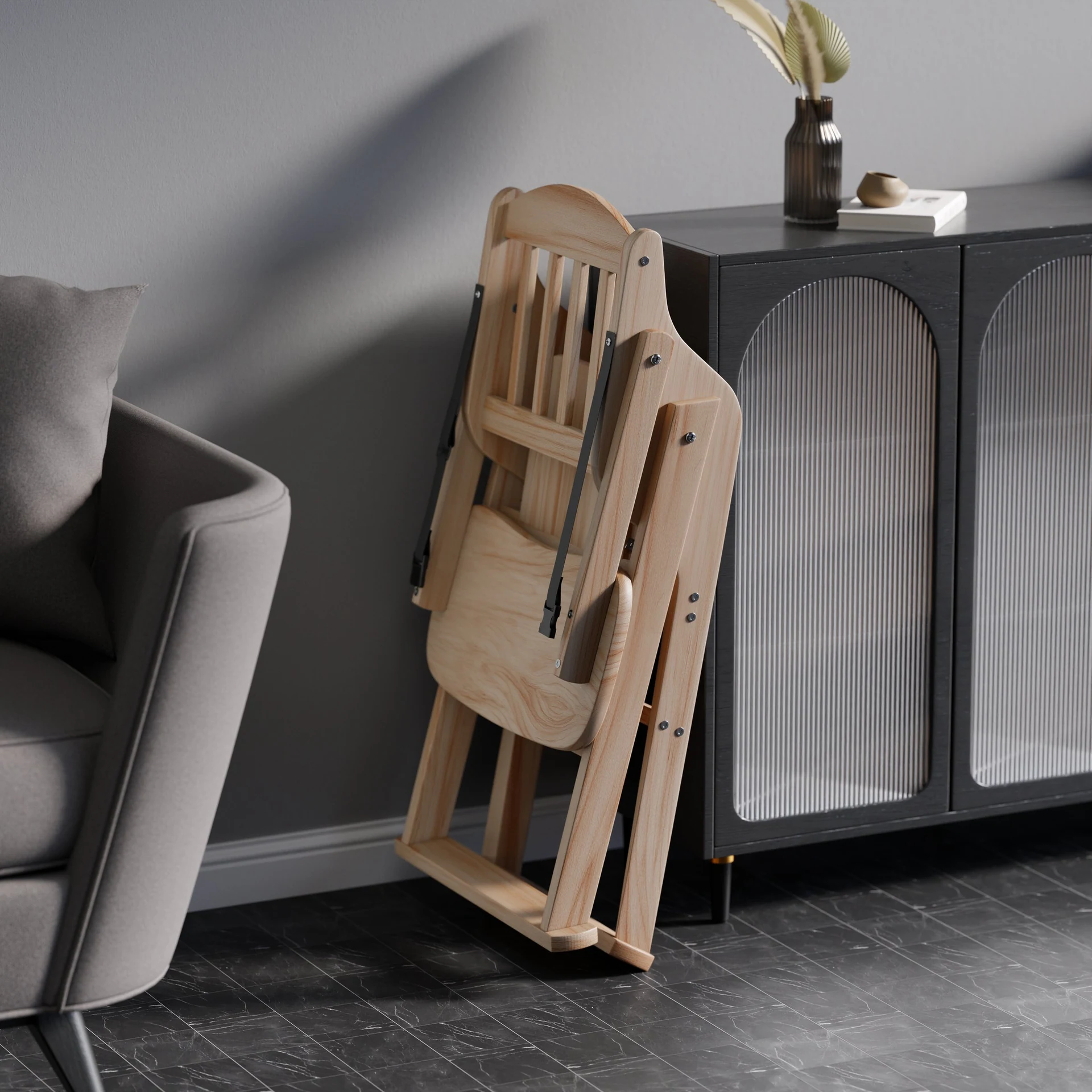 004.Furniture & home goodsShow the shape, material and scale of a product in a considered setting, for launches, catalogs and online stores.
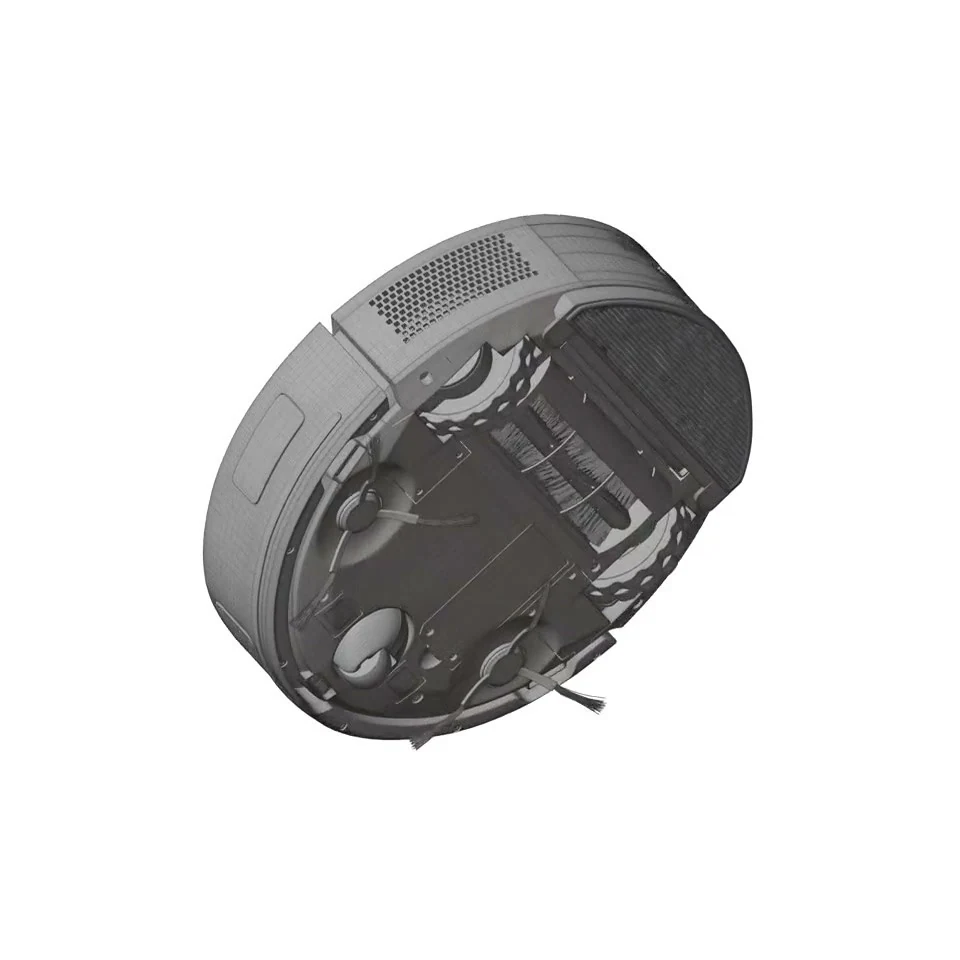 005.Industrial productsTurn technical references into a clear visual explanation of assemblies, components and how they work.
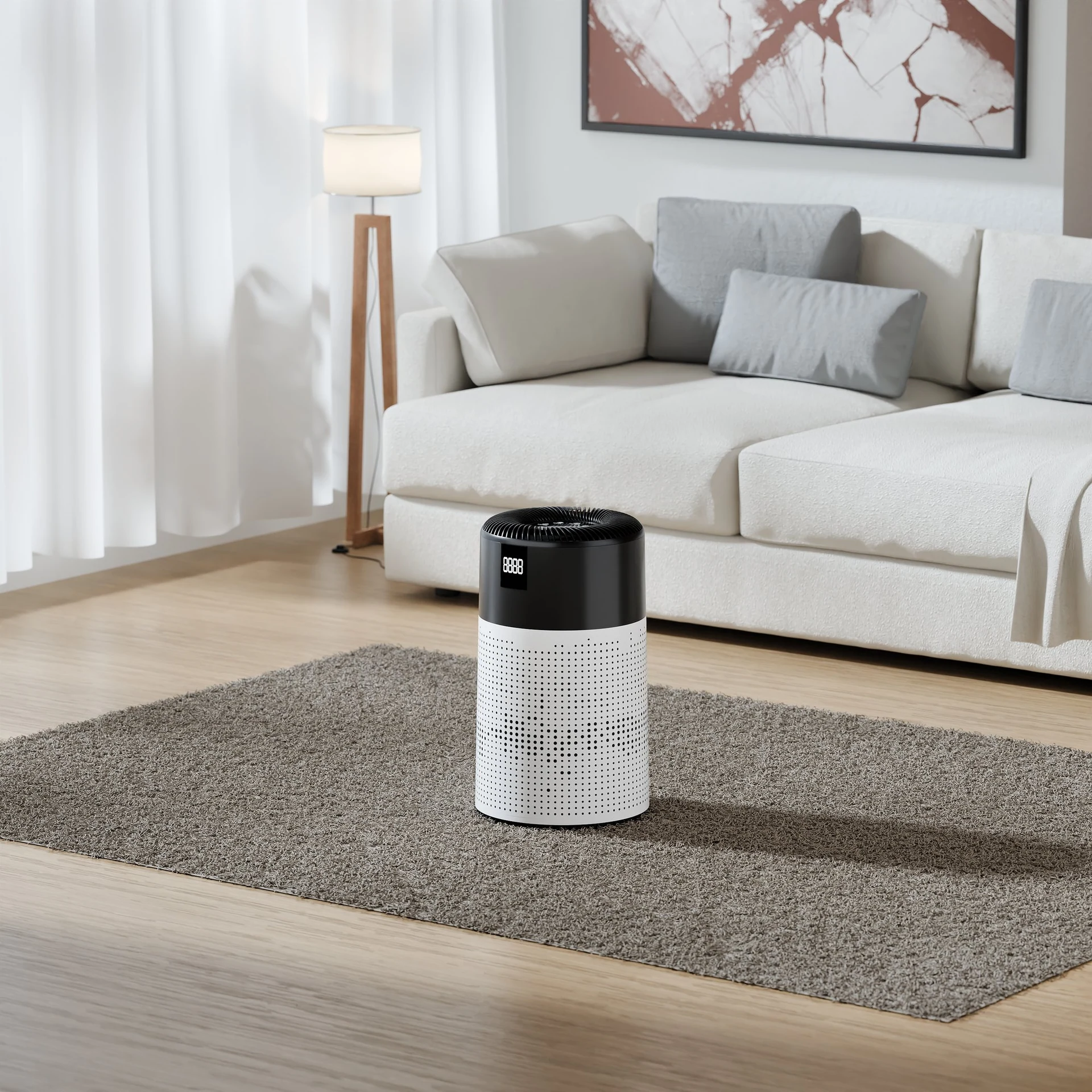 006.Real estate & spacesArchitectural and interior visuals built around your plans, references and presentation needs.
Story, technical detail and formats, explained before production.
Story, technical detail and formats, explained before production.
Still have questions?
Let’s talk about your brief.
A film made from a digital model of your product instead of a camera. Since the model is built from CAD files or references, the film can go inside the product, make camera moves no rig could, and produce many versions of the same shot. Brands use it for launches, explainers and ads.
Send us the product and the story.
Tell us what the film should show.


