If you're an Amazon seller trying to figure out how many product images you need per listing: the short answer is: as many as Amazon allows. But the real question isn't how many: it's which ones, in what order, showing what. Most sellers fill their slots with six slightly different angles of the same product and wonder why their conversion rate won't move.
Amazon allows up to 9 images per listing and explicitly recommends a minimum of 6. Yet a significant portion of active ASINs still have 2 or 3 images, leaving conversion driving slots empty. With Amazon's average conversion rate sitting at 10 to 15% for optimized listings versus as low as 3 to 5% for poorly set up ones, what's in your image stack isn't a minor detail. It is often the primary difference.
This guide gives Amazon sellers a complete, current breakdown of how many images Amazon allows, what Amazon recommends, and exactly what to put in each of the 9 slots to maximize clicks and conversions in 2026.
At Smapit, we produce complete Amazon image stacks (main image, lifestyle renders, infographics, 360 degree views, and A+ content) for sellers across India, the US, and UAE. The pattern is consistent: sellers who fill all 9 slots strategically outperform those who don't, in every category.

01What Amazon Actually Says: The Official 2026 Image Guidelines
| Rule | What Amazon States | Impact If Ignored |
|---|---|---|
| Minimum images | At least 1 required to publish. Amazon recommends 6+. | Listings with fewer than 6 images are disadvantaged in Amazon's A9/A10 ranking algorithm |
| Maximum images | Up to 9 total. If a video is added: main + 7 images + 1 video. | Using fewer than 9 means leaving conversion driving real estate empty |
| Main image background | Pure white, RGB 255, 255, 255. No exceptions. | Automated listing suppression, listing removed from search results |
| Product fill in main image | Product must occupy at least 85% of the image frame | Lower fill = smaller product thumbnail = lower click through rate in search |
| No text or graphics on main image | No overlays, logos, badges, or watermarks on main image | Listing suppression, Amazon's AI scans and flags these automatically |
| Minimum resolution | 1,000 x 1,000 px to enable the zoom function | Below this, zoom is disabled: zoom is directly linked to higher sales |
| Recommended resolution | 2,000 x 2,000 px (best practice in 2026) | Lower resolution performs visibly worse on high density mobile screens |
| Accepted formats | JPEG preferred. Also TIFF, PNG, GIF. Max 10MB per image. | Noncompliant formats rejected at upload |
| AI generated images | Background editing and enhancement permitted. Fully AI generated main images not currently permitted. | Fully AI main images risk removal: CGI renders from real product specs are compliant |
Source: Amazon Seller Central Image Requirements 2026, Soona 2026, ListingForge January 2026.
02Why the Number of Images You Use Directly Affects Your Sales Rank
This is not conventional wisdom: it is measurable cause and effect within Amazon's algorithm.
Amazon's Algorithm Rewards Listing Completeness
Amazon's A10 algorithm evaluates listing quality as a ranking signal. A listing with 9 well optimized images scores higher on completeness than one with 3, which influences where your product appears in organic search results, independent of advertising spend.
Images Drive Conversion Rate: Which Drives Rank Further
Better images lead to higher CVR, and Amazon's algorithm uses CVR as a direct ranking signal. Listings that convert well receive more organic visibility, creating a compounding advantage. Conversely, a low image listing with poor CVR signals low relevance and progressively loses organic position.
Research shows listings meeting Amazon's recommended image specifications see up to 35% higher click through rates compared to noncompliant listings (Marketplace Pulse 2025). A home goods brand that upgraded to professional images with feature callouts reported a 30% conversion rate increase: no other listing changes made (LandingCube 2025).
The Zoom Function Is a Silent Revenue Driver
Images over 1,000 px on the longest side enable Amazon's zoom function. Amazon states directly that zoom enhances sales. Customers who zoom are more engaged and convert at higher rates. Listings without zoom enabled images lose this advantage entirely.
A listing with 2 images and no zoom sends a clear signal to both Amazon's algorithm and the buyer: this seller is not investing in their product. On a platform with 9.7 million sellers, that impression costs you sales every single day.
03The 9 Slot Amazon Image Strategy: What to Put in Every Single Slot
Each image slot has a specific job. Uploading whatever images you have available is not a strategy. The slot by slot framework below is based on what consistently performs across product categories in 2026.
| Slot | Image Type | What to Show | Why It Matters |
|---|---|---|---|
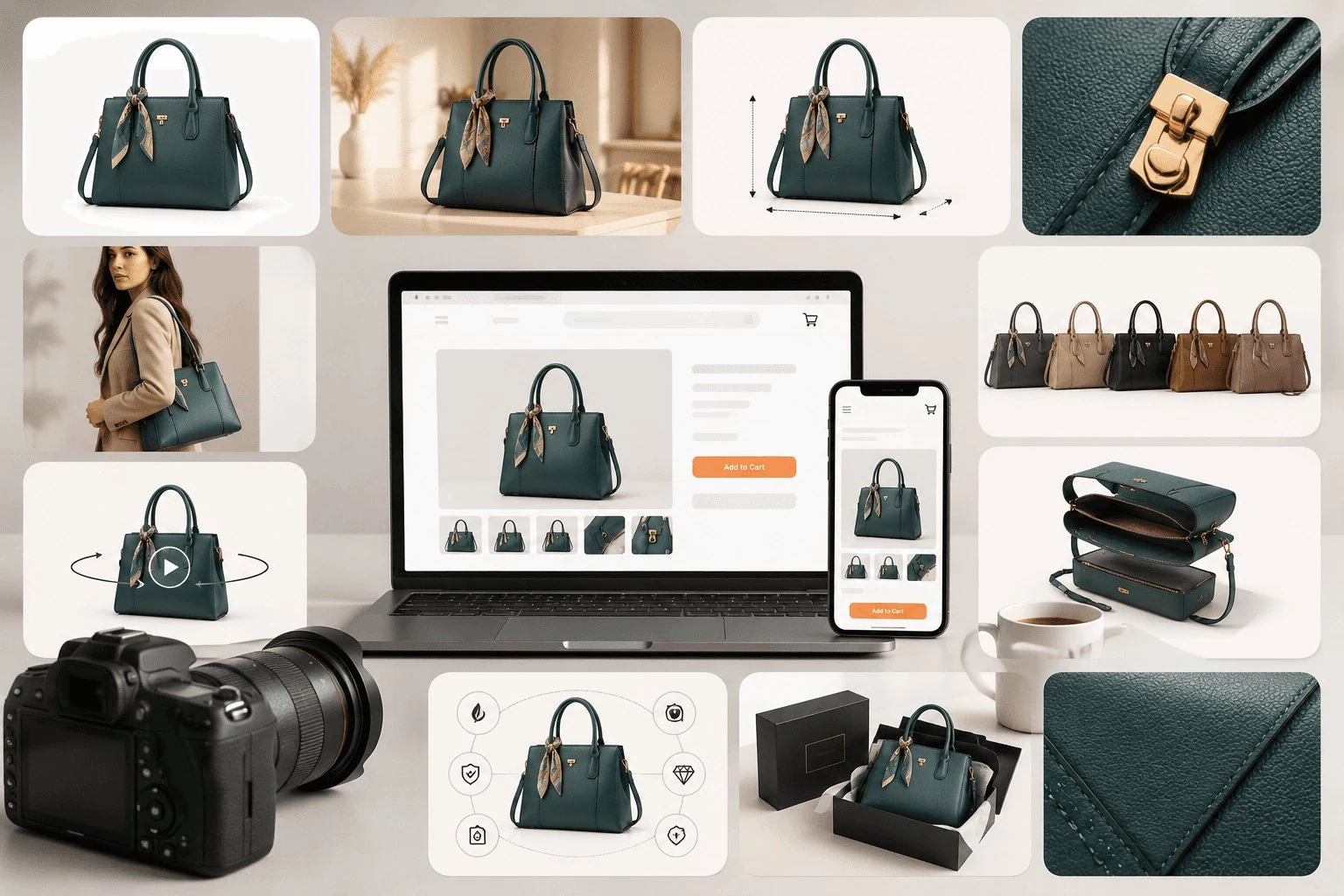
| 01 | Main Image | Product only on pure white background (RGB 255,255,255). Product fills 85%+ of frame. No text, no props, no branding. 2,000 x 2,000 px minimum. | This is your only image shown in search results. It determines whether the customer clicks at all. The single most useful image in your entire listing. |
| 02 | Feature Infographic | Product image with 3 to 5 key features called out using clean text overlays and callout lines. Clear typography. Not cluttered. | Answers 'Why should I buy this?' in 3 seconds. Customers who don't read bullet points absorb this instantly. Directly reduces bounce rate. |
| 03 | Lifestyle In Use Image | Product shown in a real world or aspirational context. No white background. Shows scale, environment, and emotional fit with the buyer's life. | Helps customers visualize owning the product. Builds emotional connection. Highest performing image type for conversion in lifestyle driven categories. |
| 04 | Dimensions and Scale | Precise dimensions overlaid on a clean product image OR a scale shot using a hand, common object, or person for reference. | The number one reason customers return products is size mismatch. This image preempts that objection entirely before purchase. |
| 05 | Closeup Detail | Zoomed in detail shot of a specific material, texture, mechanism, or premium feature. Maximum detail. | Addresses 'Is this quality?', particularly critical for electronics, cosmetics, and premium goods. Converts hesitant buyers. |
| 06 | Comparison or Social Proof | Side by side comparison with a previous model or competitor feature set. Alternatively: review excerpts, star rating graphic, or award badge. | Directly answers the comparison every buyer makes. 'Why this over the others?': answered visually and fast. |
| 07 | Variant Showcase | Second lifestyle shot in a different setting, OR a visual showing all available color or size variants, OR the product across multiple use cases. | Captures buyers considering multiple variants. Also captures repeat buyers in different contexts. |
| 08 | Packaging and Contents | Clean shot of the packaging and all included accessories laid out or arranged. Shows exactly what arrives in the box. | Removes the 'what do I actually receive?' uncertainty that causes cart abandonment. Especially important for gift purchases. |
| 09 | Brand Story or Guarantee | Brand values visual (eco friendly, family owned, handmade) OR a guarantee graphic (365 day returns, warranty) OR an A+ content teaser. | Final push before purchase decision. Builds brand trust. Communicates risk reversal. Critical for newer brands without strong review volume. |
Note: Slot order can be A/B tested using Amazon's Manage Your Experiments tool. The sequence above is the recommended starting point for most product categories. Beauty, electronics, and furniture may benefit from reordering based on the primary buyer objection in that category.
04Does the Right Image Mix Change by Product Category?
Yes. All sellers should use all 9 slots. But the priority within those slots shifts by product type. Here is how to think about image emphasis across the most common Amazon categories:
| Category | Priority Slots | Highest Performing Image Type | Most Common Mistake |
|---|---|---|---|
| Electronics and Tech | 1, 4, 5, 6 | Feature infographic + dimension shot + detail closeup | Missing scale reference, returns spike when size is unclear |
| Beauty and Cosmetics | 1, 3, 5, 6 | Lifestyle in use shots + before after result + ingredient callout | Overly clinical white background: beauty buyers need context |
| Furniture and Home | 1, 3, 4, 7 | Room lifestyle images + dimension diagram + multiangle | Failing to show product in a room: buyers cannot visualize scale |
| Health and Wellness | 1, 2, 6, 9 | Infographic + competitor comparison + guarantee panel | Claims without visual evidence: lose trust without proof |
| FMCG and Consumer Goods | 1, 2, 3, 8 | Lifestyle variant shots + ingredient callout + packaging | Underusing variant showcase, buyers want to see all options |
| Apparel and Accessories | 1, 3, 4, 7 | On model lifestyle + size guide + alternate color showcase | Model in main image violates Amazon guidelines for most subcategories |
| Toys and Baby | 1, 3, 4, 9 | Child in use lifestyle + age safety callout + guarantee | Missing safety or compliance callouts: critical trust signal |
05Amazon Product Image Technical Specifications: Complete 2026 Reference
Use this as your preupload checklist for every image submitted to Amazon in 2026:
| Specification | Requirement | Best Practice 2026 |
|---|---|---|
| Minimum resolution | 1,000 x 1,000 px (enables zoom) | 2,000 x 2,000 px square format |
| Maximum resolution | 10,000 px on longest side | 4,000 x 4,000 px for primary images |
| Maximum file size | 10 MB per image | Compress to 2 to 5 MB using optimized JPEG |
| Accepted formats | JPEG (preferred), TIFF, PNG, GIF | JPEG at 90 to 95% quality setting |
| Aspect ratio | Square (1:1) strongly preferred | 1:1 for all images, avoid tall or narrow crops |
| Main image background | Pure white RGB 255,255,255 only | CGI or light tent white: off white triggers suppression |
| Product fill | 85% minimum of image frame | 90 to 95% for best thumbnail impact in search |
| Color profile | sRGB recommended | Never submit CMYK, colors render incorrectly on screen |
| File naming | [ASIN].[variant].[extension] | Example: B0ABC12345.MAIN.jpg |
| Layers | Flatten before saving | Layered files rejected at upload: merge in Photoshop |
| AI generated content | Background editing permitted | CGI renders from product specs are compliant: fully generated main images are not |
Source: Amazon Seller Central Image Requirements (2026), Soona 2026, BridgeWay Digital 2026.
06How 3D CGI Rendering Produces a Complete Amazon Image Stack Without a Photoshoot
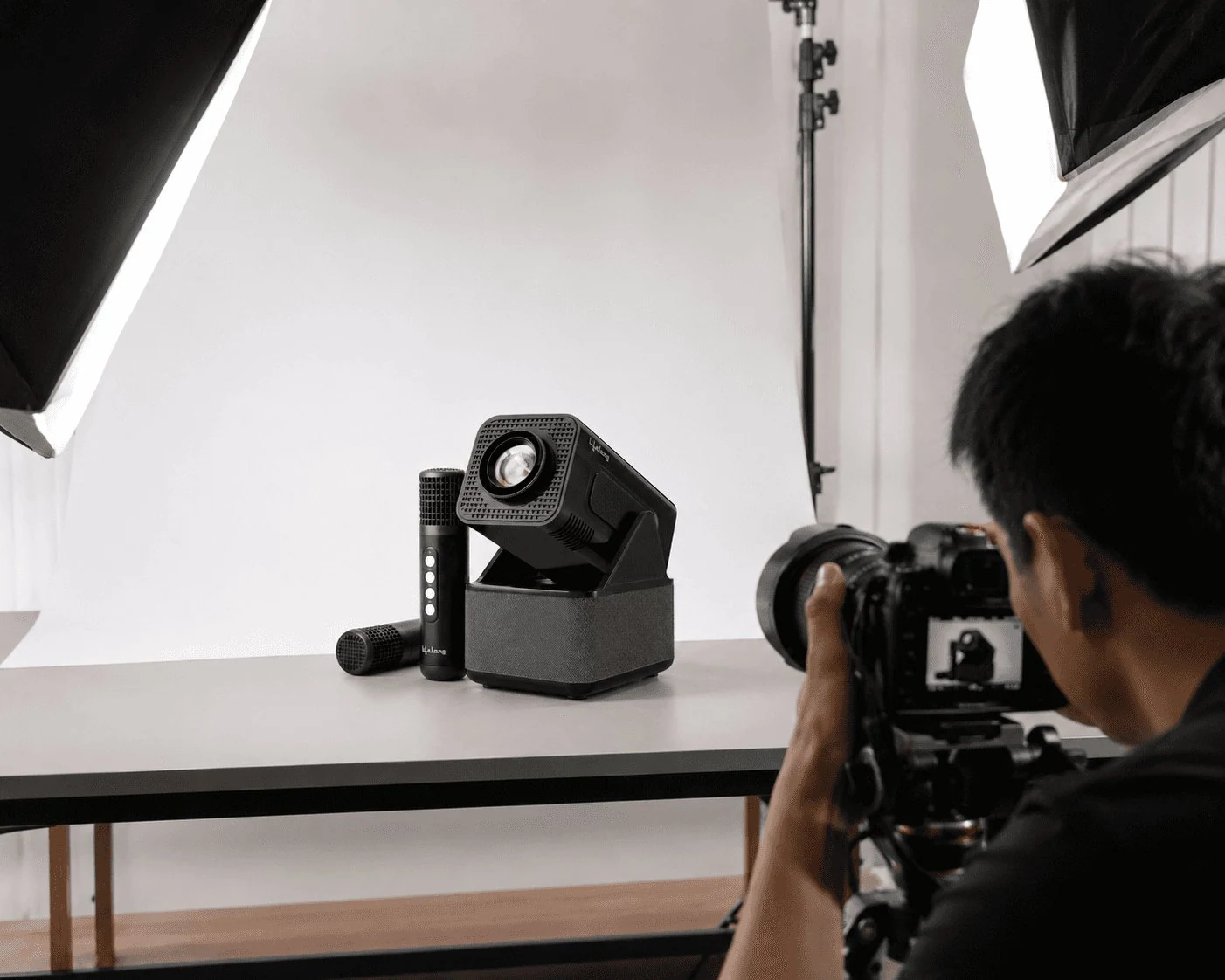
Most sellers face a practical barrier to executing the full 9 slot strategy: they cannot afford to produce 9 types of product images through traditional photography. A main image plus 2 lifestyle shots plus an infographic plus a dimension shot requires at minimum 3 to 4 separate photography sessions. That is expensive, slow, and logistically impossible if the product is new or prelaunch.
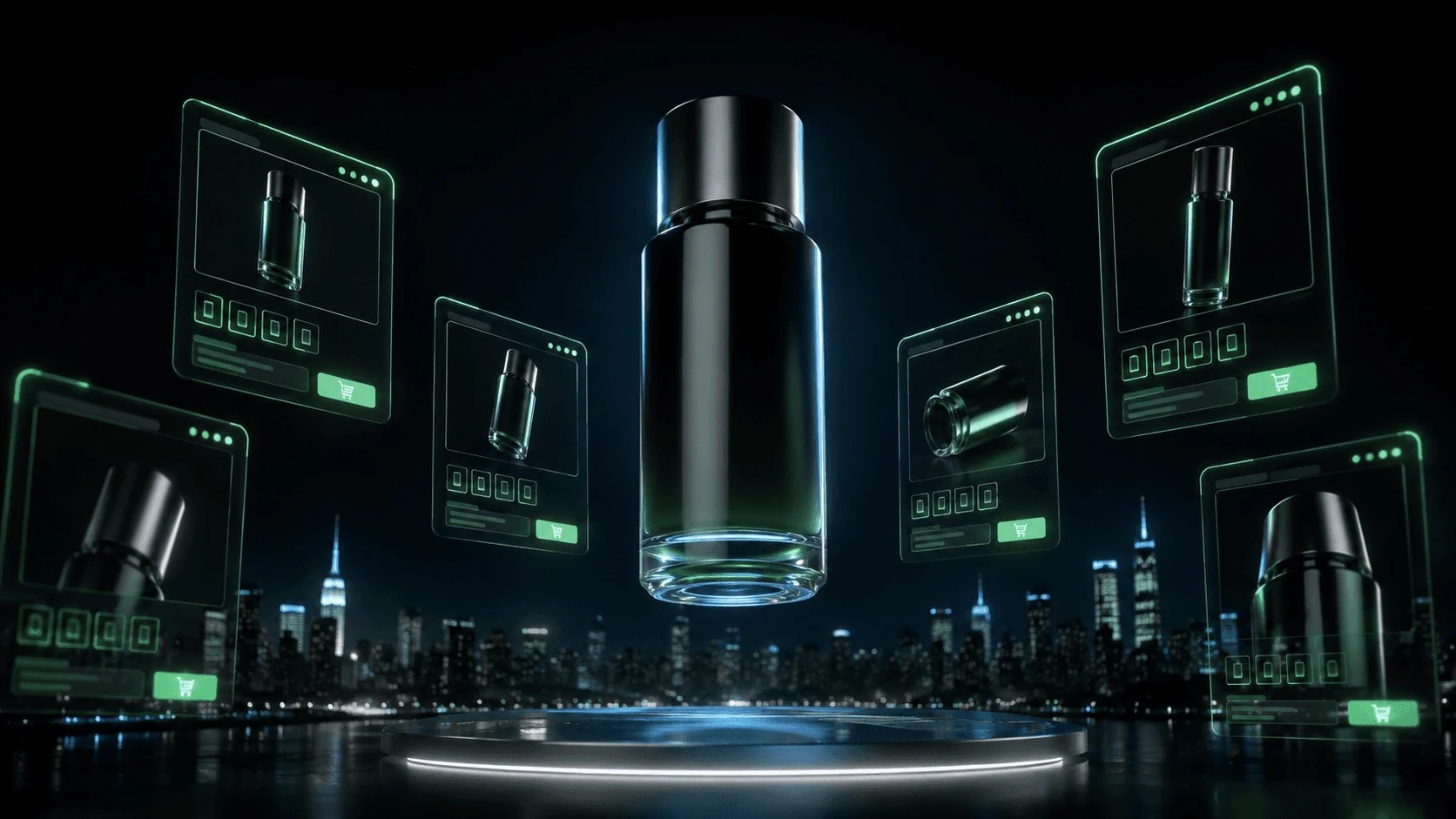
3D CGI rendering solves this by producing all 9 image types from a single 3D model. Once the model is built, changing the background from white to a lifestyle scene is a render setting, not a new photoshoot. Adding feature callouts and dimensions is a postproduction step. Showing color variants requires a material swap, not rebooking the studio.
| Image Slot | CGI Possible? | How Smapit Produces It |
|---|---|---|
| Main image (white bg) | Yes, primary use case | Rendered on perfect RGB 255,255,255. Pixel perfect compliance every time. |
| Feature infographic | Yes | Render plus postproduction text and icon overlay. Same model, new background. |
| Lifestyle in use image | Yes | 3D model placed inside a prebuilt environment scene. No set design, no crew. |
| Dimension and scale | Yes | Precise dimension annotations added in postproduction on the render. |
| Closeup detail | Yes | High resolution partial render of specific product feature area. |
| Comparison | Yes | Render side by side variants or feature comparisons from the same model. |
| Variant showcase | Yes, major advantage | All color and finish variants rendered from one model. No separate sessions. |
| Packaging and contents | Yes | Packaging and accessories rendered as part of the same project brief. |
| Brand story panel | Partial | 3D render plus graphic design overlay for guarantee or brand messaging. |
Practical implication: a seller with a new product and no physical inventory can have a complete, Amazon compliant 9 slot image stack delivered before the first shipment arrives at the fulfilment center, enabling a live, image ready listing from day one.
07Key Takeaways: Amazon Product Images in 2026
- Amazon allows up to 9 images per listing (or 8 images plus 1 video). Amazon recommends a minimum of 6. Use every slot you have.
- The main image must be on a pure white background (RGB 255,255,255) with no text, logos, or props. Product fill must be at least 85%. Violations trigger automated listing suppression.
- Resolution must be at least 1,000 x 1,000 px to enable zoom. Best practice is 2,000 x 2,000 px. Zoom enabled listings see up to 35% higher click through rates.
- Each of the 9 image slots has a specific strategic job: main image, infographic, lifestyle, dimensions, closeup, comparison, variants, packaging, and brand panel.
- Listings with 6 or more optimized images consistently show 30%+ higher conversion rates than low image listings across multiple product categories.
- 3D CGI rendering allows sellers to produce all 9 Amazon image types from a single model, including before physical inventory exists, at a fraction of multiple photoshoot costs.
08Frequently Asked Questions
Q: How many product images does Amazon allow per listing?
A: Amazon allows a maximum of 9 images per listing, one main image and up to 8 supplemental images. If you include a product video, the maximum becomes 1 main image, 7 supplemental images, and 1 video. Amazon recommends publishing at least 6 images per listing for maximum visibility and conversion performance.
Q: What is the minimum number of images required to list on Amazon?
A: Amazon requires at least one product image to publish a listing. However, listings with only 1 or 2 images are significantly disadvantaged in Amazon's search algorithm and have much lower conversion rates. Amazon's own guidance recommends a minimum of 6 images to support the full customer purchase decision.
Q: Does the number of images affect my Amazon search ranking?
A: Yes, indirectly. Amazon's A10 algorithm factors listing quality into ranking. More high quality images improve conversion rate, and Amazon uses CVR as a direct ranking signal. Listings that convert well receive more organic visibility, creating a compounding advantage for sellers with complete, optimized image stacks.
Q: Can I use 3D renders or CGI images on my Amazon listing?
A: Yes. Amazon permits CGI and 3D rendered images as long as they accurately represent the physical product being sold. In 2026, photorealistic CGI renders are widely used by Amazon sellers for main images, lifestyle shots, infographics, and 360 degree views. Fully AI generated images where no real product reference is used are not currently permitted for main images.
Q: What size should Amazon product images be in 2026?
A: The minimum size to enable Amazon's zoom function is 1,000 x 1,000 pixels. Amazon recommends 1,600 x 1,600 px for standard display. Best practice in 2026 is 2,000 x 2,000 px in a square 1:1 format. Maximum file size is 10 MB. Use JPEG format at high quality. TIFF and PNG are also accepted.
Q: What should go in the main image vs supplemental images?
A: The main image must be a clean product shot on pure white, no text, props, or logos. Supplemental images (slots 2 to 9) should each serve a distinct purpose: feature infographic, lifestyle shot, dimension reference, closeup detail, comparison, variant showcase, packaging contents, and a brand or guarantee panel. Each slot answers one specific buyer question.
Q: How can I get a complete Amazon image stack without a photoshoot?
A: 3D CGI rendering produces all 9 Amazon image types from a single digital product model (main image, lifestyle renders, infographics, dimension shots, 360 degree views, and variant showcases) without a studio or physical samples. Smapit offers a free sample render so you can see the quality before committing to a full project.
09Conclusion
The answer to 'how many product images does Amazon need' is clear in 2026: 9 (use every slot available. Amazon recommends at least 6, and the data consistently shows that listings using all available image slots with strategically distinct content outperform those that don't) in click through rate, conversion rate, and organic ranking.
The practical barrier for most sellers is production cost and logistics, not knowledge. 3D CGI rendering removes that barrier entirely. One model, all 9 image types, delivered in 48 to 72 hours, fully Amazon compliant. And when packaging changes or a new variant launches, there is no rebrief, just a model update.
Planning something like this?
Talk to Smapit