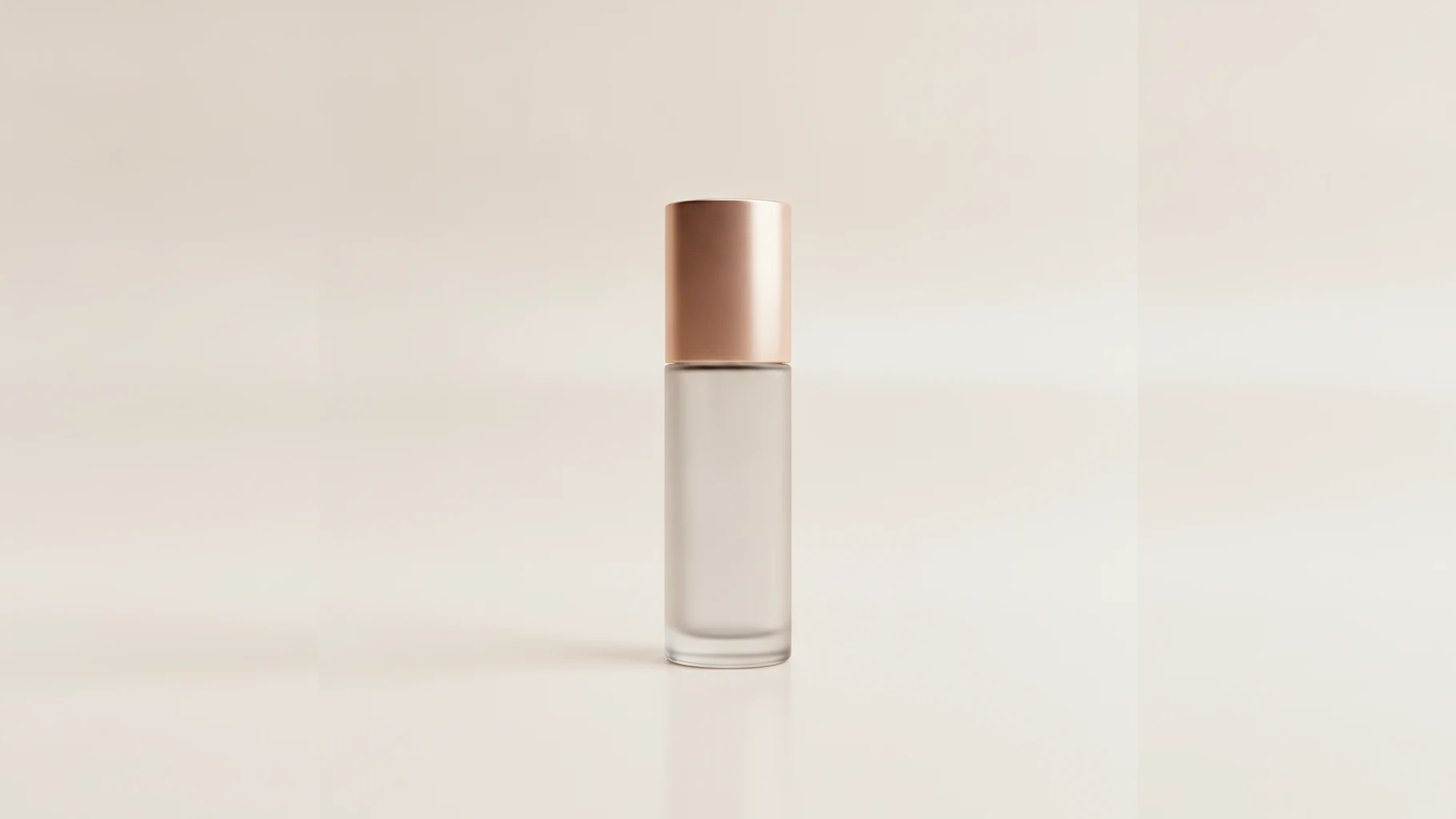
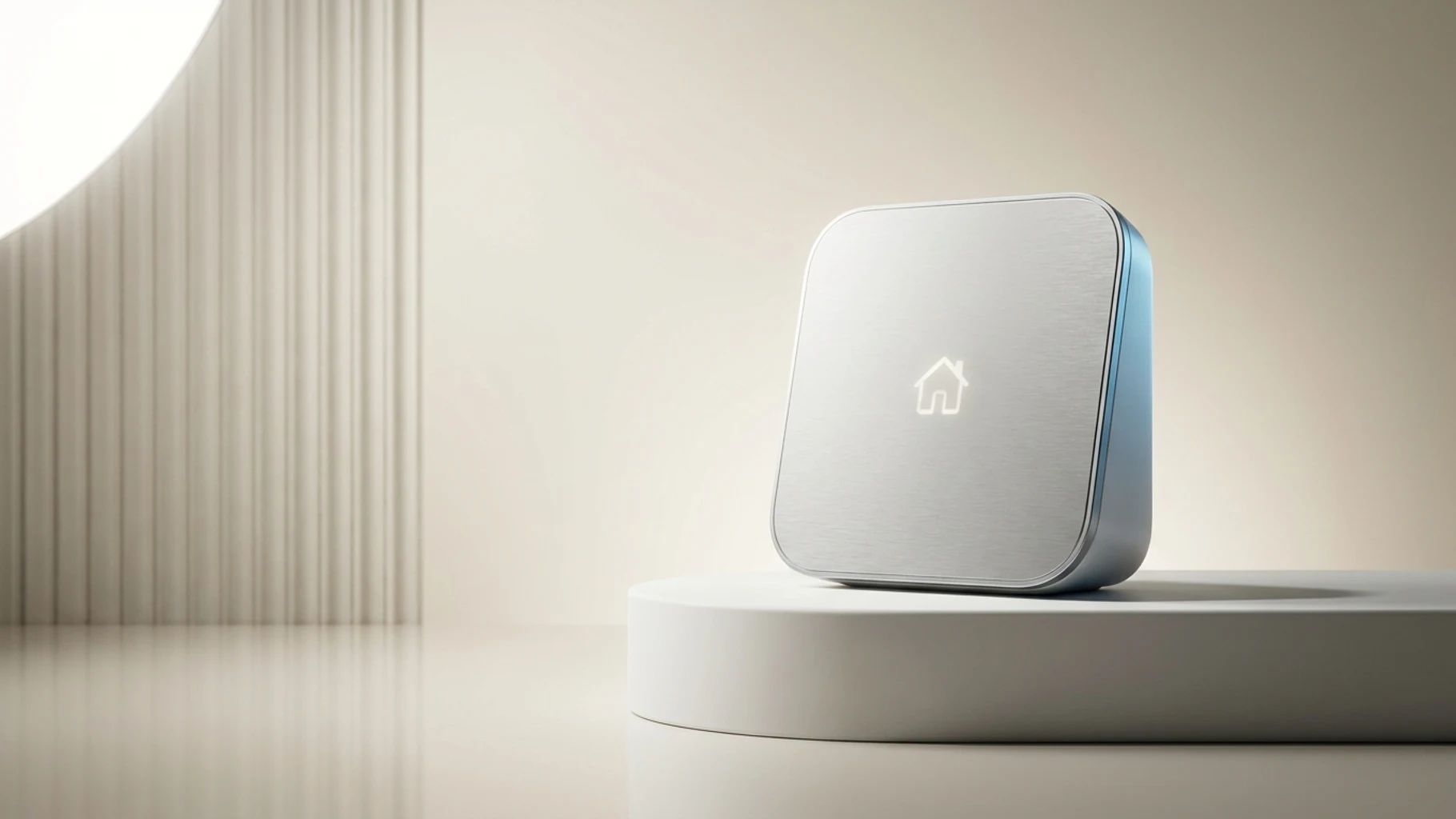
Deciding between a mockup vs 3D render is a fundamental choice for brands looking to create effective ecommerce listing creatives. While both deliver product visuals, their underlying technology and application differ. A mockup places a flat artwork onto an existing photograph of a scene, making it suitable for quick visualisations of print ready designs. In contrast, a 3D render involves building the product itself as a three dimensional model and then placing it into a digitally constructed scene, offering unparalleled control and flexibility. This distinction becomes critical when considering product iterations, design changes, and the need for elaborate setups.
Key points
- A mockup applies flat artwork to a photo.
- A 3D render builds the product and scene in 3D.
- Choose 3D renders for frequent product changes.
- 3D renders allow easy modification of print designs.
- Use 3D renders for selling product sets in a scene.
For ecommerce brands, choose a 3D render when your product design changes often, print artwork is not final, or you need to sell a scene as a set; otherwise, a simple mockup can suffice for showing static designs on existing photography.
Mockups and 3D renders serve distinct purposes in product visualisation for online retail. Understanding these differences allows a brand to select the most efficient and cost effective method for their marketing needs, whether it's for a single product image or a complete campaign. We build both solutions, and each has its appropriate applications depending on the project's scope, budget, and requirements.
01What is a Product Mockup?
A product mockup is a visual representation where a flat design, typically a label, packaging artwork, or a logo, is digitally overlaid onto a photograph of a generic product or scene. It's an efficient tool often used for presenting design concepts quickly, offering a preliminary look at how a design will appear in a real world context.
The creation of a mockup usually involves selecting an existing stock photo of a blank product item, such as a plain box, a T-shirt, a bottle, or a book cover. The brand's artwork is then composited onto the surface of this item, carefully aligning it to the perspective and lighting of the photograph. This method gives a realistic impression of the design without the need to produce a physical prototype, saving time and resources in the initial stages of design approval.
Product mockups are efficient for rapid design reviews, pitching new branding concepts to stakeholders, or visualising minor print variations on a standard product form. They work best when the product shape is common, readily available as a stock image, and the artwork is the primary variable being assessed. They are a good fit for quick previews of basic packaging designs or apparel graphics.
02What is a 3D Product Render?
A 3D product render is a photorealistic image generated from a three dimensional digital model of a product. Unlike a mockup, the product itself is built digitally from the ground up, with every curve, material, and surface detail carefully crafted in a virtual environment. This method creates a highly accurate and flexible digital replica.
The process begins with 3D modelling, where the product's geometry is constructed precisely. Following this, texturing involves applying materials like realistic glass, metal, wood, or fabric to the model, complete with reflections, refractions, and surface imperfections. Finally, the virtual scene is lit, mimicking real world studio lighting or specific environments, before the final image is rendered. The entire environment, including props, backdrops, and atmospheric effects, can also be custom built in 3D, allowing for full control over every visual element. This is the foundation of our 3D product visualisation services.
A 3D render offers complete creative freedom and unparalleled precision. Every angle, lighting setup, and material property can be adjusted with absolute control. This approach enables showing products in ways that would be impractical, costly, or even impossible with traditional photography, such as exploded views, cross-sections, or highly stylised, pristine environments for luxury items.
03Key Differences: Mockup vs 3D Render
To help brands decide, here is a comparison of how mockups and 3D renders perform across key visual production criteria.
| Feature | Product Mockup | 3D Product Render |
|---|---|---|
| Foundation | Flat artwork on existing photograph | Full 3D model of product and scene |
| Flexibility | Limited to original photograph's perspective | Unlimited angles, lighting, and material changes |
| Product Changes | Difficult to adapt for major form changes | Easy to update model for new product versions |
| Scene Complexity | Uses existing photo, limited customisation | Fully customisable, complex scenes possible |
| Cost for Variants | Can be cost effective for simple art changes | Initial 3D model cost, then efficient for variants |
| Realism | Depends on photo quality and composite skill | High photorealism, controlled by 3D artist |
04When to Choose a Mockup
Choose a mockup when your brand has a final, flat artwork ready for a common product form, such as a standard box, bottle, or apparel item for which stock photography is easily sourced. This is ideal if your primary need is to visualise print designs quickly on an existing, unchanging product shape, perhaps for internal review or simple online presentation. They are cost effective for presenting design concepts for approval without the investment of physical prototypes. Mockups are also suitable when the product itself is static, and only the graphics applied to it are changing, offering a straightforward solution when budget and timeline are very tight, and a generic background or scene is acceptable.
05When to Choose a 3D Render
For Products That Change Often
If your brand frequently updates product features, dimensions, or introduces new iterations, a 3D model is a superior long term asset. Once the base 3D model is accurately built, modifying it for a new version (whether it's a minor design tweak in furniture, an updated component in electronics, or a new size of packaging) is faster and less expensive than recreating a physical prototype or adapting numerous mockups. This ensures consistency across all visuals, even as your product line evolves.
When Print Designs Are Not Final
For packaging mockup and label designs still in development, 3D renders provide an efficient way to iterate and refine. Changing text, colours, or graphics on a 3D model is simply a matter of updating textures and rendering again, not reprinting costly physical samples. This flexibility matters during the design approval process, enabling rapid experimentation and A/B testing of different visual approaches for ecommerce listing creatives without physical production delays.
When the Scene Has to Be Sold as a Set
When selling multiple items together, such as a complete cosmetic line, a collection of electronics, or a full furniture arrangement, 3D renders allow for creating a cohesive and customisable scene that perfectly shows the entire set. Each product can be precisely positioned, and lighting can be adjusted to highlight the relationships between items, ensuring consistent branding and presentation across all marketing materials. This extends to illustrating how products fit into larger environments, as we do for spaces and real estate projects.
For Complex Products and Materials
Products with fine details, unique forms, or specific material properties (such as jewellery with precise facets and reflections, watches with detailed mechanisms, or apparel with particular fabric drapes) benefit immensely from 3D product rendering. The digital environment allows for precise control over light interaction and material fidelity, which is incredibly difficult to achieve consistently with photography alone. This is particularly key for high end luxury goods where visual perfection matters most and for technical products requiring detailed views.
06Bringing Your Products to Life with Smapit Media
At Smapit Media, we specialise in creating high fidelity 3D models of your products. This digital asset then is the foundation for generating a complete and consistent set of ecommerce visuals. From this single 3D model, we can efficiently render every required angle, material variant, and scene context you need for your product listings, marketing campaigns, or even advanced AI ads films and AI micro dramas. Our approach keeps the visual language consistent and your creative assets usable in the campaigns to come. Talk to the studio about this: /contacts/
Planning something like this?
Talk to Smapit